<?xml version="1.0" encoding="UTF-8"?>
<feed xmlns="http://www.w3.org/2005/Atom">
  <title>Blog | ASM Metal Recycling</title>
  <link href="https://www.asm-recycling.co.uk/"/>
  <updated>2026-01-23T15:00:00+00:00</updated>
  <author>
    <name>ASM Metal Recycling</name>
  </author>
  <id>tag:www.asm-recycling.co.uk,2015-06-01:blog</id>
  <link rel="alternate" type="text/html" hreflang="en" href="https://www.asm-recycling.co.uk/blog/"/>
  <link rel="self" type="application/atom+xml" href="https://www.asm-recycling.co.uk/blog/feed/"/>
  <rights>Copyright ©, ASM Metal Recycling</rights>
  <entry>
    <title>Top tips for an efficient site clearance</title>
    <link rel="alternate" type="text/html" href="https://www.asm-recycling.co.uk/blog/4-top-tips-for-businesses-undergoing-a-site-clearance/"/>
    <id>tag:www.asm-recycling.co.uk,2015-06-01:blog.967</id>
    <updated>2026-01-23T15:00:00+00:00</updated>
    <content type="html" xml:lang="en"><![CDATA[<p>Prior to the start of any new building or landscaping work, it is vital that the current site is cleared thoroughly and safely.</p><p>Whether you are clearing the site yourself or employing site clearance contractors, it’s important to comply with health and safety legislation. Any waste should be removed and transported with the utmost care to ensure disruption to the wider environment is minimised. Scrap metal is one of the materials a site clearance will usually need to remove, and <a href="https://www.asm-recycling.co.uk/">ASM Metal Recycling</a> can help with this.</p><h2>What is involved in site clearance?</h2><p>A site clearance takes place when any new building or landscaping work is planned for an area of land. Site clearances involve planning, adherence to health and safety regulations and proper collection of <a href="/scrap-metal/">scrap metal</a>.</p><h2>How to clear a site for construction?</h2><p>The aim of any site clearance project is to remove all waste, debris, vegetation and hazardous material from the site before the building phase. The top layer of soil must also be removed, because it may contain chemicals that can lead to plant growth, and therefore impact the structural integrity of any future construction work.</p><h2>How long does it take to clear a site?</h2><p>All sites are different, so all will take varying times to clear. Small sites might only take a few days, whereas larger sites could take weeks or even months to clear.</p><h2>Plan ahead</h2><p>Make sure your initial planning includes details such as the size and scope of the site clearance. Ask questions such as:</p><ul>
<li>What type of material are you expecting to clear?</li>
<li>How much waste material is going to be generated?</li>
<li>What machinery and labour will you need to complete the site clearance?</li>
</ul><h2>Safety first</h2><p>Before any clearance or building work can begin on site, it’s a legal obligation to erect signs to alert visitors and personnel of the site clearance work. Those who enter the clearance site should also be reminded of the health and safety dangers of being on-site. It’s highly recommended that all personnel on site wear hard hats and hi-vis at all times, as well as any other PPE that may be required, such as gloves, safety goggles or face masks.</p><h2>Hire professionals and proper machinery</h2><p>For some small sites, you may want to carry out the work required in site clearance yourself. However, if the site is large or you lack the experience to operate the machinery to clear your site, you should always work with a company that specialises in site clearance. They will have the experience, skills and machinery required to clear your site. They will know how to operate site clearance machinery safely and efficiently, and do the job much quicker.</p><h2>Be aware of the health and safety risks involved</h2><p>Before starting your site clearance it is important to conduct a health and safety risk assessment. This will reveal any immediate hazards that will impact the progress of site clearance, such as underground utilities, asbestos or unstable ground, and make you aware of any wider environmental impact of the site being cleared. You will also be made aware of any measures needed for safe working practices.</p><h2>Have a waste disposal plan</h2><p><a href="/blog/construction-waste-management/">Waste management</a> or disposal plans ensures that the materials cleared from the site are disposed of responsibly and in a sustainable way. It is important to separate recyclables like wood, metal and glass from general waste, and to make recycling a priority.</p><h3>Arrange proper collection and disposal of your scrap metal</h3><p>If your business is undergoing a site clearance to make way for new and improved premises, you’ll want to ensure that all the scrap metals collected are <a href="/blog/how-to-classify-the-different-types-of-waste-your-business-produces/">correctly categorised</a>. You should then arrange for licensed transportation of the scrap metal, with no harm to the wider environment.</p><h2>Planning a site clearance? ASM Metal Recycling can help</h2><p>At ASM Metal Recycling we offer competitive prices for all types of scrap metal, and a <a href="/scrap-metal-collection/">collection</a> service.</p><p>Whether it’s old RSJs, cabling, scrap stainless steel or aluminium left within the shell of your property, <a href="/scrap-metal/">ASM Metal Recycling</a> can swiftly remove it from your site and transport it to one of our licensed sites for recycling or reuse.</p>]]></content>
  </entry>
  <entry>
    <title>What is classed as commercial waste?</title>
    <link rel="alternate" type="text/html" href="https://www.asm-recycling.co.uk/blog/what-is-commercial-waste/"/>
    <id>tag:www.asm-recycling.co.uk,2015-06-01:blog.966</id>
    <updated>2025-10-20T16:00:00+01:00</updated>
    <content type="html" xml:lang="en"><![CDATA[<p class="page-image pull-right"><span><img src="https://www.asm-recycling.co.uk/workspace/images/weee_for_recycling_3.jpg" style="width: 300px;" width="300" height="200" alt="Hazardous electronic waste" class="img-responsive center-block" title="Hazardous electronic waste"/></span></p><p>Commercial or business waste is any waste derived from a business premises that is used predominantly for trade, entertainment, recreation or any kind of commercial activity. It is different to industrial or household waste.</p><p>Commercial and trade waste also incorporates refuse created following gardening and building work on a residential property, providing the individual undertaking the work is not the homeowner.</p><p>There are <a href="https://www.gov.uk/dispose-business-commercial-waste">strict regulations in place</a> for disposing of commercial waste.</p><h2>Examples of commercial waste</h2><p>Commercial waste includes the following:</p><h3>General waste</h3><ul>
<li>Paper, cardboard, packaging materials, non-recyclable plastics</li>
</ul><h3>Recyclable waste</h3><ul>
<li>Paper and cardboard</li>
<li>Plastic</li>
<li>Glass</li>
<li><a href="/scrap-metal/">Metal</a></li>
</ul><h3>Food waste</h3><ul>
<li>Waste food from restaurants, cafes, venues and other premises that produce food</li>
</ul><h3>Hazardous waste</h3><ul>
<li>Chemicals, medical items</li>
</ul><h3>Electronic waste (WEEE)</h3><ul>
<li>End of life <a href="/blog/what-is-weee-waste/">electronic equipment</a>, eg. computers, TVs, radios, white goods</li>
</ul><h3>Textile waste</h3><ul>
<li>Clothing and fabrics</li>
</ul><h3>Construction waste</h3><ul>
<li>All forms of hardcore (concrete, bricks), metals, ceramics, masonry</li>
</ul><h3>Green waste</h3><ul>
<li>Agricultural waste, eg. vegetation, grass cuttings, turf, soil</li>
</ul><h2>What isn’t classed as business waste?</h2><p>There are two main types of waste that are not considered business waste.</p><ul>
<li>Industrial waste – waste generated from manufacturing or any complex industrial process that does not have recyclable potential</li>
<li>Household waste – waste produced from private individuals which can either be recycled or disposed of at public refuse points</li>
</ul><h2>Your responsibility as a business owner</h2><p>As a business owner, it is your legal responsibility to ensure that all commercial waste is handled and disposed of properly.  You are required to comply with the Environmental Protection Act 1990’s Duty of Care legislation, which stipulates how commercial or business waste should be stored, transported, disposed of and recorded.</p><p>You must ensure that the business disposing of your waste is an authorised waster carrier.  All companies licenced to carry or accept commercial waste are listed on the <a href="https://environment.data.gov.uk/public-register/view/index">Environment Agency’s Public Registers</a>. ASM Metal Recycling is listed under Waste Carriers, Brokers and Dealers.</p><p>If you wish to dispose of your own commercial or business waste you are required to register as a waste carrier wherever you live in the UK.</p><p>If trade waste can be recycled, it should be transported to a licensed commercial recycling centre. Commercial hazardous waste must be disposed of safely and by an authorised waste carrier.</p><h2>Storing commercial waste</h2><p>The Duty of Care legislation states you must store commercial waste securely on-site in labelled containers that protect it from being contaminated with the wider environment or being disturbed by animals. Waste should be separated and categorised, and the containers should not be overflowing.</p><h2>Disposing of commercial waste</h2><p>Commercial waste can only be collected, transported and disposed of by a <a href="/contact-us/">licensed waste carrier</a> at an approved disposal or recycling site. A waste transfer note is required for each consignment of commercial waste; businesses that regularly have commercial waste collected can maintain a ‘season ticket’, which covers waste collections for up to a year. Waste transfer notes should be kept for up to two years, and shown to enforcement officers if required.</p><h2>Choose ASM as your commercial waste carrier</h2><p>Aside from storing your commercial waste correctly, you also need a business you can rely on to collect and transport your waste to an approved site for disposal or recycling. At <a href="/scrap-metal-collection/">ASM Metal Recycling</a> we’re not only licensed waste carriers – we are also registered to accept hazardous waste. <a href="/contact-us/">Get in touch with ASM</a> today and find out more about our commercial waste recycling services.</p>]]></content>
  </entry>
  <entry>
    <title>What are metals used for?</title>
    <link rel="alternate" type="text/html" href="https://www.asm-recycling.co.uk/blog/what-are-different-metals-used-for/"/>
    <id>tag:www.asm-recycling.co.uk,2015-06-01:blog.990</id>
    <updated>2025-04-29T15:46:00+01:00</updated>
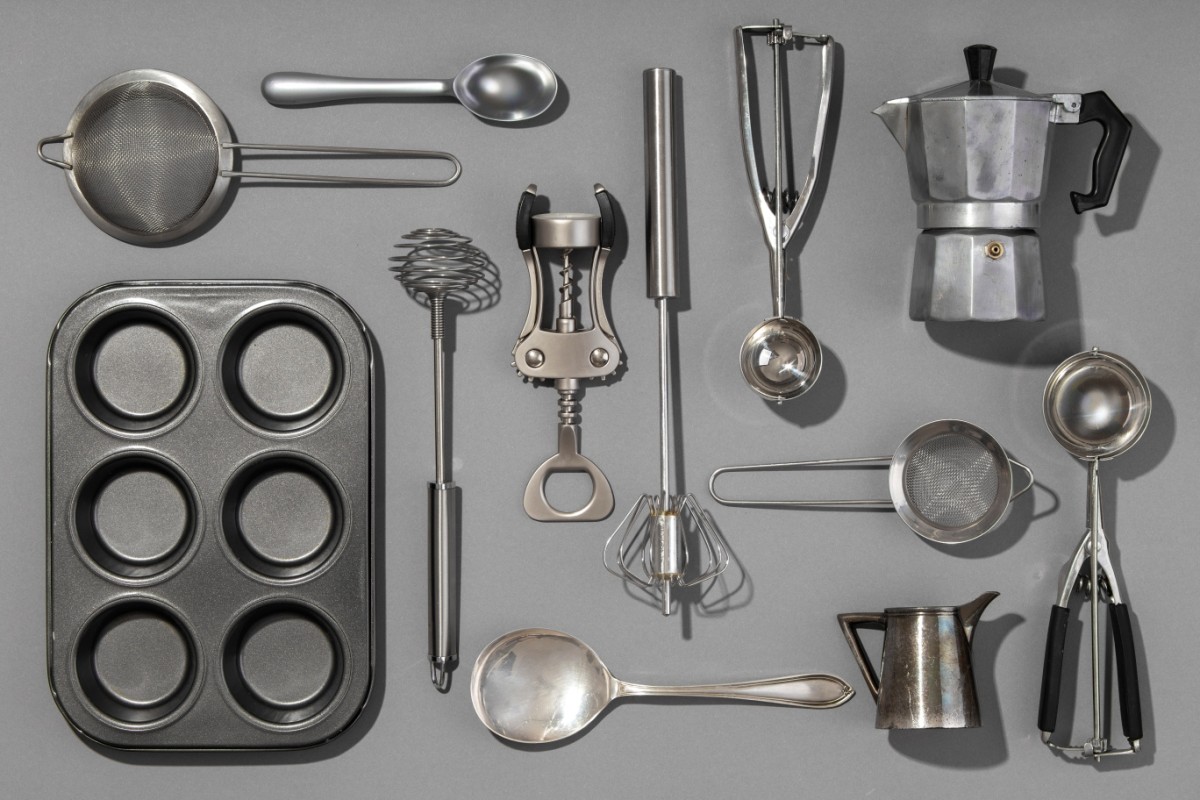
    <content type="html" xml:lang="en"><![CDATA[<p>It’s very easy to forget just how much metal is used in our day-to-day lives. From food packaging to cooking utensils, metal is all around us – as is the potential to recycle that scrap metal into something else. Here’s a guide to the most used metals and their uses.</p><p><span><img src="https://www.asm-recycling.co.uk/image/4/1200/1200/images/flat-lay-utensils-composition-arrangement.jpg" style="width: 600px;" width="600" height="400" alt="Assorted kitchen utensils" class="img-responsive center-block" title="Photo by Freepik" data-toggle="tooltip" data-placement="bottom"/></span></p><h2>Ferrous and Non-ferrous metals</h2><p>Ferrous metals are magnetic because they contain iron. The higher the iron content, the more magnetic the metal is. Examples of ferrous metals include cast iron, steel and wrought iron. The strength of ferrous metals mean they are very popular in the car industry, and tools and household appliances are generally made of ferrous metals. Non-ferrous metals are not magnetic, and include such metals as aluminium, silver, titanium, and <a href="/scrap-metal/copper/">copper</a>. Non-ferrous metals are more malleable.</p><h2>Common metals and their uses</h2><h3>Aluminium</h3><p>Aluminium has great <a href="/blog/how-does-metal-recycling-work/">recycling potential</a>. It’s flexible, strong and light-weight. Some of the main uses for <a href="/scrap-metal/aluminium/">aluminium</a> include:</p><ul>
<li>Building and construction – window frames, building structures and roofs</li>
<li>Transportation – aeroplanes, trains, boats and cars, as well as smaller vehicles such as bicycles and motorbikes</li>
<li>Packaging – significantly in cans and aluminium foil</li>
<li>Electricity – aluminium is the main material in high-voltage power lines.</li>
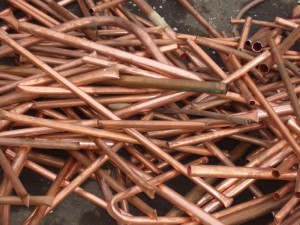
</ul><p class="page-image pull-right"><span><img src="https://www.asm-recycling.co.uk/workspace/images/heavy-copper_4.jpg" style="width: 300px;" width="300" height="225" alt="Heap of copper plumbing piping" class="img-responsive center-block" title="Heap of copper plumbing piping"/></span></p><h3>Copper</h3><p>Copper is a very valuable electrical conductor. Indeed, it’s the most frequently sold valuable material in the <a href="/scrap-metal/">scrap metal</a> industry. Common uses for copper include:</p><ul>
<li>Electrical applications – frequently used for wires, circuits, switches and electromagnets</li>
<li>Piping and plumbing – refrigeration, air conditioning and water supply systems</li>
<li>Roofing and insulation</li>
<li>Household items – cookware, doorknobs and cutlery</li>
</ul><h3>Zinc</h3><p>Coinage is possibly the most common day-to-day usage for zinc, but it also has other uses:</p><ul>
<li>Galvanisation, where it’s commonly used as a coating to help protect iron and steel from corroding (galvanisation is simply the name for the process)</li>
<li>Batteries, where zinc is used in anodes</li>
<li>Brass – an alloy of zinc and copper</li>
</ul><h3>Lead</h3><p>Most <a href="/scrap-metal/lead/">recycled lead</a> comes from batteries, but there are still a number of different uses for this metal.</p><ul>
<li><a href="https://www.asm-autos.co.uk/blog/car-battery-disposal-tips/">Car batteries</a> - used extensively in the electrode plates</li>
<li>X-ray protection – lead is used to line the rooms of X-ray machines in hospitals, to offer protection to patients and staff</li>
</ul><h3>Brass</h3><p>Malleable, conductive and resistant to corrosion and fatigue, <a href="/scrap-metal/brass/">brass</a> is a popular metal for <a href="/blog/5-common-metals-that-can-be-recycled/">recycling</a>. Brass can be recycled multiple times without diminishing the composition.</p><ul>
<li>Domestic infrastructure - taps, locks, piping, letter boxes</li>
<li>Electrical appliances</li>
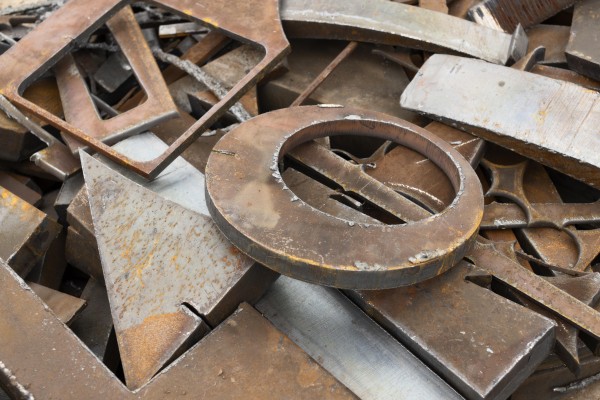
</ul><p class="page-image pull-right"><span><img src="https://www.asm-recycling.co.uk/image/4/600/600/images/dirty-dumped-objects-arrangement.jpg" style="width: 300px;" width="300" height="200" alt="Various rusting iron and steel metal objects" class="img-responsive center-block" title="Photo by Freepik" data-toggle="tooltip" data-placement="bottom"/></span></p><h3>Steel</h3><p>As one of the strongest metals, steel – an alloy of iron – is used widely in transportation, manufacturing and infrastructure.</p><ul>
<li>Steel beams, columns and girders</li>
<li>Sheet metal – roofing, cladding and flooring</li>
<li>Kitchen equipment – pots and pans, cutlery, cooking utensils</li>
<li>Tools</li>
<li>Bridges and railways</li>
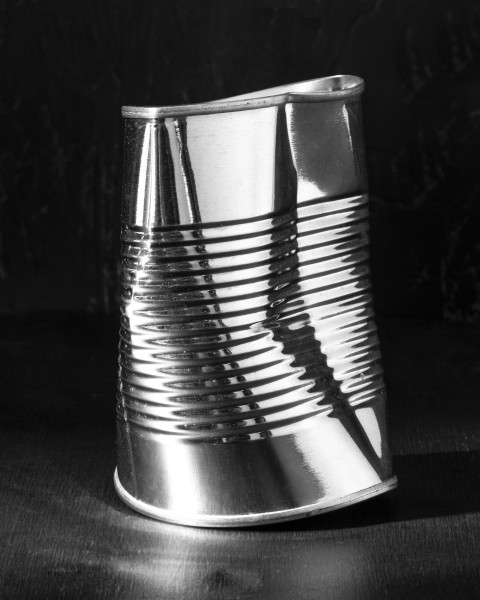
</ul><p class="page-image pull-right"><span><img src="https://www.asm-recycling.co.uk/image/4/600/600/images/silver-tall-round-crushed-tin-can.jpg" style="max-height: 300px;" width="240" height="300" alt="Partly crushed tin food can" class="img-responsive center-block" title="Photo by Freepik" data-toggle="tooltip" data-placement="bottom"/></span></p><h3>Tin</h3><p>Tin is an expensive non-ferrous metal to source new, so it means that recycling it is very important! The uses of tin are quite varied, including:</p><ul>
<li>Cans – a thin layer of tin covering a steel sheet</li>
<li>Cars – tin is used to add resistance to the motor block, piston rings and clutch plates</li>
<li>Springs - made tougher through the addition of tin</li>
<li>Glass - tin oxide coatings added to the glass surfaces to boost resistance</li>
</ul><h3>Iron</h3><p><a href="/scrap-metal/iron/">Iron</a> is used to make steel, which in addition to the steel applications above, is also found in:</p><ul>
<li>Automotive components – car bodywork and engines</li>
<li>Industrial machinery, appliances and tools</li>
</ul><h2>Want to get rid of some scrap metal for money? Contact ASM today</h2><p>If you’re planning on recycling your scrap metal, <a href="/scrap-metal/">ASM Metal Recycling</a> offers highly competitive rates for both ferrous and non-ferrous metals. This means that by recycling your scrap metal with us, the environment will benefit, and you could make some money too.</p>]]></content>
  </entry>
  <entry>
    <title>What to do with radioactive scrap metal</title>
    <link rel="alternate" type="text/html" href="https://www.asm-recycling.co.uk/blog/what-to-do-with-radioactive-scrap-metal/"/>
    <id>tag:www.asm-recycling.co.uk,2015-06-01:blog.1162</id>
    <updated>2025-02-28T12:10:00+00:00</updated>
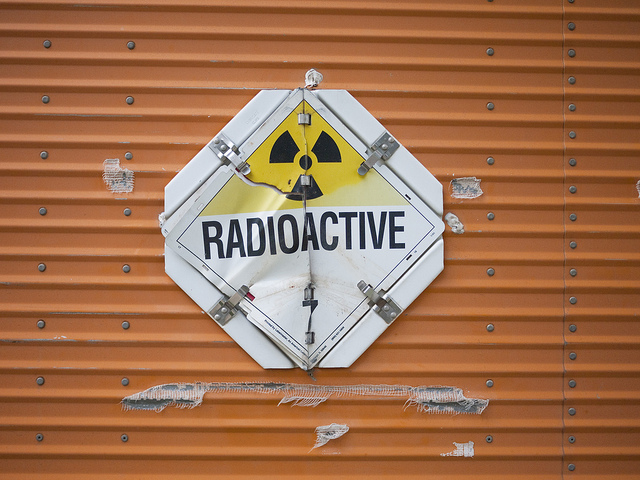
    <content type="html" xml:lang="en"><![CDATA[<p class="page-image pull-right"><span><img src="https://www.asm-recycling.co.uk/workspace/images/6127043627_9051a89feb_z_1.jpg" style="width: 400px;" width="400" height="300" alt="Radioactive sign on a roller shutter" class="img-responsive center-block" title="Radioactive by Blake Burkhart (CC BY 2.0)" data-toggle="tooltip" data-placement="bottom"/></span></p><p>Scrap metal should always be handled with care during the recycling process, regardless of whether it appears to be dangerous or not. If you are ever unsure of what to do, call an expert.</p><p>Typically, most household scrap metal items are not hazardous, and you’ll be able to follow standard <a href="/blog/category/metal-recycling/">recycling processes</a> to dispose of them. However, occasionally you may come across scrap metal which has been impacted by radioactive materials (such as microwaves).</p><p>Generally speaking, these radioactive scrap metals won’t be in a typical household. If they do occur, they are in very small quantities or in uninhabited older properties. There are also dedicated professionals who will process the radioactive scrap metal and handle their disposal for you.</p><p>Occasionally some radioactive material may be found on a vehicle. At <a href="https://www.asm-recycling.co.uk/">ASM Metal Recycling</a> we have radiation detector units, which all vehicles must drive through to test if the material onboard is radioactive. If the detector alarm sounds, we send the vehicle through several more times in case of a false positive.</p><p>We also have a Geiger meter that can find the precise piece that has triggered the detectors. Any pieces that are found are always safely disposed of. All of this ensures we do not send on radioactive material to be recycled.</p><h2>Where can radioactive substances be found?</h2><p>Some of the main sources for radioactive scrap metal in the metal recycling world include:</p><p><strong>‘Orphan’ sources:</strong> Typically, these are redundant industrial equipment, like gauges or medical equipment, which will contain some radioactive elements. These sources are usually found out of regulatory control but are generally rare.</p><p><strong>Naturally Occurring Radioactive Material (NORM):</strong> NORM sources generally contain uranium-238 and thorium-232 and their associated radioactive decay products. Examples of NORM materials that you may occasionally come across in radioactive scrap metal include zircon sands or refractory materials.</p><p><strong>Low Specific Activity (LSA) scale</strong>: LSA scale radioactive decay products can accumulate on the inside of items from machines involved in certain chemical processes, such as old piping. LSA decay can also occur in items from the oil and gas industry. They can also be found in various alloys like welding equipment that contain natural thorium and consequently radioactive thorium.</p><p><strong>Imported steel</strong>: More recently there have been incidents where steel that has been imported into the UK has contained radioactive material, due to an orphan source being melted with the steel during the production process.</p><p><strong>Nuclear material</strong>: Again, generally not found in or around the home, but any items involved in a nuclear supply chain may also contain radioactive material.</p><h2>How can I identify radioactive scrap metal?</h2><p>It is impossible for humans to detect ionising radiation. But, if you come across something with the international symbol for radiation (a yellow triangle with a black pictogram), you should behave as if it is radioactive until confirmed otherwise.</p><h2>What do you do if you find radioactive metal?</h2><p>In the unlikely event that you do find something you think is radioactive, the most important thing is not to touch it. Instead, move well away from the area and call emergency services. They will be able to escalate your concerns to professionals trained to process and handle radioactive materials.</p><h2>What happens if you touch radioactive metal?</h2><p>Radioactive sources should never encounter bare skin directly. If the radiation source is intense, it can cause burns. If handling a radioactive substance is unavoidable, then the minimum protection required is gloves and tongs.</p><h2>Can you destroy radioactive material?</h2><p>It is possible to decontaminate some high-value radioactive scrap metal, but ideally this should be done before it reaches the scrap yard.</p><h2>What is the process for managing a radioactive substance?</h2><p>Any processor will have their own due process to handle radioactive scrap metal. This will usually include:</p><ul>
<li>Running the radioactive scrap metal through a monitor to confirm the presence of radioactive materials</li>
<li>Isolating the radioactive metal in the designated position</li>
<li>Analysing the item using a hand-held gamma dose rate meter to establish if it’s safe to approach whilst cordoning off the area</li>
<li>Getting in touch with the <a href="https://www.hse.gov.uk/radiation/rpnews/rpa.htm">radiation protection adviser (RPA)</a> to seek further advice about handling, storing, and disposing of the contaminated items or area</li>
<li>Informing the <a href="https://www.gov.uk/government/organisations/environment-agency/about/access-and-opening#local-environment-agency-offices">local Environment Agency</a> and the Health and Safety Executive</li>
</ul><h2>Remember, finding radioactive metal is extremely rare</h2><p>As a rule, radioactive doses found in the home rarely occur, and when they do, it is in very small amounts. You can always get in touch if you’re concerned about a particular item around the home. If you have any questions about metal recycling, <a href="/blog/construction-waste-management/">construction waste management</a> or disposing of a particular metal, <a href="/contact-us/">contact ASM Metal Recycling</a> today.</p>]]></content>
  </entry>
  <entry>
    <title>How aluminium contributes to a circular recycling economy</title>
    <link rel="alternate" type="text/html" href="https://www.asm-recycling.co.uk/blog/how-does-metal-recycling-benefit-the-economy-and-the-environment/"/>
    <id>tag:www.asm-recycling.co.uk,2015-06-01:blog.1154</id>
    <updated>2024-12-17T11:24:00+00:00</updated>
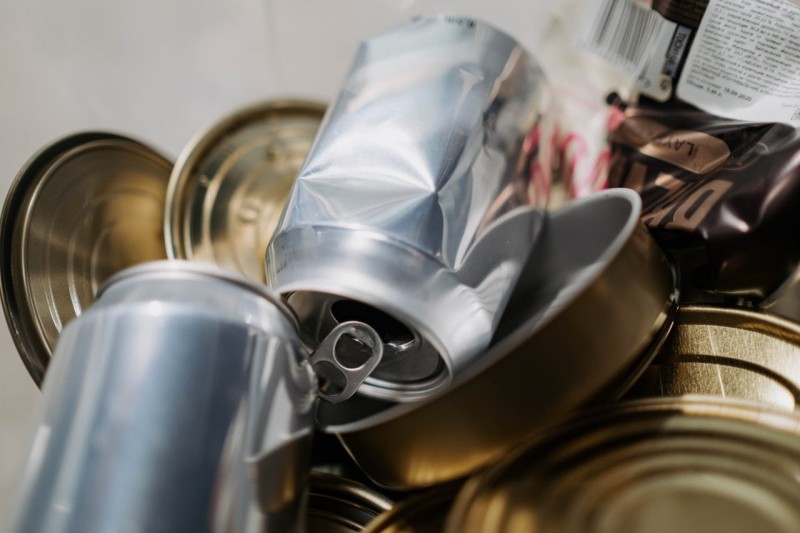
    <content type="html" xml:lang="en"><![CDATA[<p class="page-image pull-right"><span><img src="https://www.asm-recycling.co.uk/image/4/800/800/images/assorted-empty-metal-food-containers.jpg" style="width: 400px;" width="400" height="266" alt="Assorted empty metal food containers" class="img-responsive center-block" title="Photo by cottonbro studio on Pexels.com" data-toggle="tooltip" data-placement="bottom"/></span></p><p>Many of the food and drink products we buy are packaged in cans made from either aluminium or steel. Both materials can be recycled after we have finished with them to make either new cans or other products.</p><p>In this article we are focusing on <a href="/scrap-metal/aluminium/">aluminium</a>. This is because aluminium cans are one of the most cost-effective items to recycle, due to its value and its high volume. We also look at the economic effect of reduced use of aluminium cans, and the benefits of recycling aluminium.</p><h2>What is circular economy recycling?</h2><p>The circular economy is a model for how the economic system could operate. It focuses on ways to eliminate waste and greenhouse gas emissions from industrial and economic activity, and circulating products and materials so that they are reused and do not end up as waste. Any biodegradable materials that cannot be reused should be put back into the economy and the earth as compost. The circular economy works best when all raw material is designed with reuse, recycling or biodegradability in mind.</p><p>Aluminium can recycling is one of the prime examples of good circular economy recycling.</p><h2>Aluminium can recycling: the process and the benefits</h2><p>Scraps left over from the aluminium production process can be melted down and used again and again. <a href="https://www.recyclingconsortium.org.uk/primary/facts/alu.htm">95% less energy is used manufacturing cans from recycled aluminium</a> than from raw material. This way of using waste as a resource means that around 75% of all the aluminium ever made is still in circulation.</p><p>Aluminium forms about 8% of the earth’s crust and is mined and extracted from bauxite, which contains the compound alumina. Four tonnes of bauxite will contain around two tonnes of alumina, which can provide around a tonne of valuable aluminium. So as one of the most abundant metals found naturally within the earth, aluminium is a great example of saving the Earth’s natural resources. It makes a great candidate for recycling for a number of reasons:</p><ul>
<li>It’s used all over the world, so there is a constant supply of recyclable material</li>
<li>Anything made of aluminium can be <a href="/blog/what-are-different-recycled-metals-used-for/">recycled repeatedly</a> – not only cans, but aluminium foil, food trays, window frames, and automotive components</li>
<li>The environmental savings are substantial: aluminium can recycling generates only 5% of the greenhouse gas emissions used to produce cans from new</li>
<li>The environmental impacts can be huge: over 9,000kg of CO2 equivalents are saved by recycling 1,000 kg of aluminium cans compared to sending them to landfill</li>
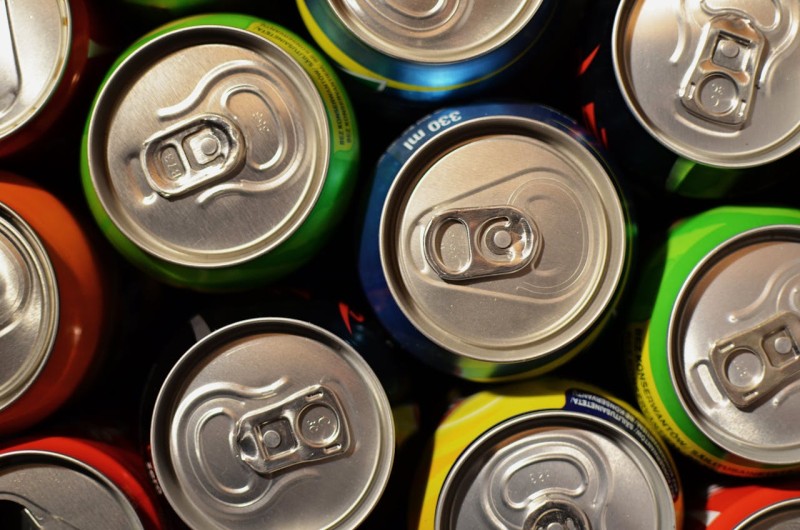
</ul><p>Aluminium can recycling is quick too. Reused and repaired cans might be back on supermarket shelves containing new products in just two months.</p><p class="page-image pull-right"><span><img src="https://www.asm-recycling.co.uk/image/4/800/800/images/aluminium-drinks-cans.jpg" style="width: 400px;" width="400" height="265" alt="Aluminium drinks cans" class="img-responsive center-block" title="Photo by Breakingpic on Pexels.com" data-toggle="tooltip" data-placement="bottom"/></span></p><p>The benefits of recycling aluminium are substantial. It’s estimated that the environmental effect of reduced use of aluminium cans leads to the following reductions:</p><ul>
<li>86% fall in air pollution</li>
<li>40% fall in water use</li>
<li>76% fall in water pollution</li>
</ul><h2>Reduced aluminium can use and its benefits</h2><p>Around 70% of all aluminium cans are recycled globally, and every minute an average of <a href="https://thinkcans.net/aluminium/10-aluminium-facts">113,200 aluminium cans are recycled</a>. In the UK, around 5.9 billion aluminium drinks cans are recycled each year. However, if an aluminium can goes to landfill, it will stay there for 500 years before it oxidises, so it’s more than worth recycling.</p><h2>How aluminium can recycling can benefit the economy and the environment</h2><p><a href="/blog/the-world-of-metal-recycling-the-facts/">The process of recycling metals</a> stops the need to extract non-renewable metal ores through mining. As there is only a finite number of ore on Earth (which is often found in unspoiled landscapes), not having to dig for it is good for the earth both in terms of resources and aesthetics.</p><p>Using secondary raw materials through aluminium recycling minimises the use of natural resources when making metal compounds such as iron ore (to make steel) or alumina and bauxite (to create aluminium).</p><p>The UK has a wealth of <a href="/scrap-metal/">scrap metal</a>. This means that the transportation and pollution concerns arising from long-distance boat and rail travel are also reduced by recycling.</p><p>Using recycled metals for smelting new raw materials can also massively help to reduce greenhouse gas emissions in production methods. EU data suggests that by using recycled materials, CO2 emissions are currently being slashed by around 200 million tonnes each year.</p><h2>Help to eliminate waste by recycling with ASM</h2><p>Secure the best price your for scrap aluminium by <a href="/contact-us/">contacting ASM Metal Recycling</a> today. We use the latest digital scales to weigh your metals with absolute accuracy, guaranteeing you the right price.</p>]]></content>
  </entry>
  <entry>
    <title>What common metals can be recycled?</title>
    <link rel="alternate" type="text/html" href="https://www.asm-recycling.co.uk/blog/5-common-metals-that-can-be-recycled/"/>
    <id>tag:www.asm-recycling.co.uk,2015-06-01:blog.1149</id>
    <updated>2024-10-15T10:19:00+01:00</updated>
    <content type="html" xml:lang="en"><![CDATA[<p class="page-image pull-right"><span><img src="https://www.asm-recycling.co.uk/workspace/images/scrap-metal_light-iron_1.jpg" style="width: 300px;" width="300" height="221" alt="Pile of light iron for recycling" class="img-responsive center-block" title="Pile of light iron for recycling"/></span></p><p>Can metal be recycled?</p><p>Yes, almost all metals can be recycled. This is because their properties are not diminished during the recycling process. Recycled materials like copper and aluminium can have a quick turnover in the circular economy.</p><p>Scrap metal recycling has many benefits from an environmental perspective, as fewer raw materials need to be extracted, carbon emissions are lower, and there is financial reward for both consumers and metal manufacturers. Recyclable metals are significantly cheaper to produce than new metal, and people can sell their <a href="/scrap-metal/">unwanted scrap metal</a> to companies like ASM.</p><h2>What is the difference between ferrous and non-ferrous metals?</h2><p>Metals suitable for recycling are generally sorted into <a href="/ferrous-and-non-ferrous-metals/">ferrous and non-ferrous metals</a>, and most are readily available in your home or your everyday life.</p><p>The main difference between ferrous and non-ferrous metals is that ferrous metals contain iron. Ferrous metals are also mostly magnetic, whereas non-ferrous don’t contain magnetic properties, making it relatively easy to tell them apart. Ferrous metals include steel, while <a href="/scrap-metal/aluminium/">aluminium</a> and <a href="/scrap-metal/copper/">copper</a> are two of the most common non-ferrous types of metals.</p><p>Non-ferrous metals do not rust, but they can corrode.</p><h2>What metals can be recycled?</h2><p>So while we have answered the question “can metal be recycled?”, we now need to know the main types of recyclable metals:</p><p class="page-image pull-right"><span><img src="https://www.asm-recycling.co.uk/workspace/images/scrap-metal_cast-iron_1.jpg" style="width: 300px;" width="300" height="221" alt="Pile of cast iron for recycling" class="img-responsive center-block" title="Pile of cast iron for recycling"/></span></p><h3>Iron</h3><p>Iron can be used to make other metals, such as copper, so is highly sought after by recycling facilities. 90% of all the metal that is refined today is iron. Cast iron contains more carbon than other types of iron, and is found in items like pots and pans.</p><h3>Steel</h3><p>As a ferrous metal, steel is a major component in buildings, infrastructure, tools, ships, car parts, machines and appliances used across the world. According to environmental agencies, most steel items today contain between 25% and 100% recycled content. Carbon steel has over 90% iron content and is the most common ferrous metal. Stainless steel usually contains a high quantity of chromium, which keeps it corrosion resistant.</p><h3>Aluminium</h3><p>Aluminium is a similarly popular metal that’s capable of being melted at comparatively lower temperatures than steel, making it particularly attractive for recycling. <a href="/blog/how-does-metal-recycling-benefit-the-economy-and-the-environment/">Aluminium cans need just 5%</a> of the energy to recycle them as they do to produce them from scratch; as well as releasing only 5% of the carbon emissions compared to newly produced metals. Just a single recycled aluminium can could save enough energy to power a 100-watt bulb for up to four hours</p><p>Sources for recycled aluminium include end-of-life vehicles, aircraft, boats, bicycles, computers, cookware, gutters and electrical wiring.</p><p class="page-image pull-right"><span><img src="https://www.asm-recycling.co.uk/workspace/images/scrap-metal_heavy-copper_1.jpg" style="width: 300px;" width="300" height="225" alt="Pile of copper piping for recycling" class="img-responsive center-block" title="Pile of copper piping for recycling"/></span></p><h3>Copper</h3><p>Premium-grade copper can hold <a href="/blog/why-is-it-better-to-recycle-copper/">up to 95% of the value</a> of the original primary metal itself. Scrap copper wiring can be one of the easiest and most common sources of scrap metal, found in electrical cables, inside televisions, computer monitors, laptops and DVD players; within large and small electrical appliances, and in handheld electronics.</p><h3>Brass</h3><p>Malleable, conductive and resistant to corrosion and fatigue, <a href="/scrap-metal/brass/">brass</a> is a popular metal for recycling. Energy costs for recycling brass are lower compared to those of other metals, and brass can be recycled multiple times without diminishing the composition. Common items which contain brass that could be recycled include plumbing fixtures and vehicle radiators.</p><h3>Tin</h3><p>Recycling tin requires 99 per cent less energy than creating it from scratch. A good source for scrap tin at home are old kitchen equipment such as soup ladles, woks and cooking bowls.</p><h3>Zinc</h3><p>One of the most often overlooked scrap metals, zinc can be recycled indefinitely without the loss of chemical or physical properties. End-of-life vehicles can be pulled apart and parts containing zinc can be recycled and transformed into like-for-like parts with the same material quality.</p><h2>Sell your recyclable metals to ASM</h2><p>With over 55 years of experience, ASM Metal Recycling will get the best price possible for your scrap metal. If you’ve discovered some <a href="/scrap-metal/">scrap metal</a> at home and you’d like to know how much it is worth, <a href="/contact-us/">contact us</a> and we’ll give you an accurate valuation using the latest technology. If you have a significant quantity of metal items to sell, we can arrange to <a href="/scrap-metal-collection/">collect it from you</a>.</p>]]></content>
  </entry>
  <entry>
    <title>How is metal recycled and how does it work?</title>
    <link rel="alternate" type="text/html" href="https://www.asm-recycling.co.uk/blog/how-does-metal-recycling-work/"/>
    <id>tag:www.asm-recycling.co.uk,2015-06-01:blog.1147</id>
    <updated>2024-08-07T11:46:00+01:00</updated>
    <content type="html" xml:lang="en"><![CDATA[<p class="page-image pull-right"><span><img src="https://www.asm-recycling.co.uk/image/4/800/800/images/dsc_0013-sized_2.jpg" style="width: 400px;" width="400" height="264" alt="Yellow ASM grabbing machines working in a scrap metal yard" class="img-responsive center-block" title="Yellow ASM grabbing machines working in a scrap metal yard"/></span></p><p>Metal is currently one of the biggest recycling sectors in the UK. This is because, as a raw material metals can be easily recycled without damaging its original properties.</p><p>Aside from the environmental benefits that come from recycling metal, there are several advantages to recycling metal, including:</p><ul>
<li>Protecting natural resources by reducing the need to mine raw materials.</li>
<li>Reduce energy usage by not processing raw materials (recycling metal uses around 75% less energy than creating new metal, so it’s an invaluable activity).</li>
<li>Economic benefits thanks to job creation and local industry investments.</li>
<li>Unlimited recycling opportunities meaning indefinite landfill diversion.</li>
</ul><p>When it comes to the recycling process itself, there are numerous companies for you to choose from. At ASM we have decades of industry experience that enables us to specialise in the smooth facilitation of metal recycling.</p><h2>Which metals can be recycled?</h2><p>While most metals can be recycled, some are more commonly reused than others. This will come down to how easy a particular metal is both to find and process. Scrap metals are categorised into <a href="/ferrous-and-non-ferrous-metals/">ferrous and non-ferrous</a> groups before being processed.</p><p>Ferrous metals include things like <a href="/scrap-metal/iron/">cast iron</a>, carbon steel, mild steel, and wrought iron. Because they are generally magnetic and contain iron, these types of metals are popular in the car industry, while their strength also makes them useful for construction.</p><p>These types of metals are quite commonplace and usually found in domestic tools, hardware, and household appliances. They are also contained within larger objects like vehicles (<a href="https://www.morecambemetals.co.uk/how-is-metal-recycled/">around 25% of a car’s body is made from recycled materials</a>) and shipping containers.</p><p>Non-ferrous metals such as aluminium, silver, titanium, and <a href="/scrap-metal/copper/">copper</a> are generally more malleable. This means they can be used for anything from taps and ornaments to vehicle batteries and wiring.</p><h2>How big is the metal recycling industry?</h2><p>Globally, the metal recycling industry is huge. According to <a href="https://www.ibisworld.com/united-kingdom/market-size/scrap-metal-recycling/">IBISWorld</a>, the UK scrap metal recycling industry generated £6.1 billion in 2022.</p><p>Operators in the industry vary from small, family-owned businesses to international companies. The industry is structured like a pyramid, with the smaller independent firms collecting the metal and then passing it on to major reprocessing plants.</p><h2>How is metal recycled?</h2><p>Through heat. The metal is cleaned and put in a furnace to create a molten metal solution. The solution is then checked for purity and, if needed, is exposed to either additional metals or gases to adjust the levels.</p><p>The molten metal is then poured out of the furnace and formed into different shapes such as ingots, rods, billets, and slabs, depending on the end purpose. On some occasions, metals are pulverized into powder or transported from the plant in liquid form to be used to create other components and products.</p><h2>How can metal be recycled?</h2><p>At ASM we carry out a number of operations involved in metal recycling, including:</p><ul>
<li>Baling and compacting. On some occasions, scrap must be moved to larger processing plants. They’re usually baled to aid stacking and transporting (often after shearing*).</li>
<li>Shredding. This is the reduction of waste goods down to fist-sized lumps of metal using highly efficient shredding machines. Modern shredders are incredibly efficient, capable of processing a car in less than 10 seconds.</li>
<li>Hot air blasting. A lot of metals are coated with lacquer (aluminium cans, for example). As a result, they’re passed through a blower – which blasts the metal with hot air to burn off any remaining residue.</li>
<li>Collecting, weighing, and processing scrap metals. The major task, of course, is dealing with a wide range of different suppliers and working with local authorities to ensure that all of the metal is dealt with appropriately. A metal processing plant will work with hundreds of different bodies throughout the year.</li>
<li>Media separation. Even once the metals have been completely sheared* and shredded, unwanted waste materials can still be found in the mix. Media separation is therefore an important task used to extract ferrous metals, textiles, lighter plastics, and non-metallic waste.</li>
</ul><p><strong>*</strong>Shearing scrap metal is when large pieces of scrap metal are cut down to make them easier to repurpose.</p><h2>Recycle your scrap metal with ASM</h2><p>Wondering ‘how to recycle metal’? If you’re planning on recycling your scrap metal, <a href="/scrap-metal-prices/">ASM Metal Recycling</a> offers highly competitive rates for both ferrous and non-ferrous metals. This means that by recycling your scrap metal with us, both the environment and your bank balance will benefit.</p>]]></content>
  </entry>
  <entry>
    <title>How to Sort Metal for Scrap</title>
    <link rel="alternate" type="text/html" href="https://www.asm-recycling.co.uk/blog/how-to-sort-metal-for-scrap/"/>
    <id>tag:www.asm-recycling.co.uk,2015-06-01:blog.1141</id>
    <updated>2024-04-25T12:19:00+01:00</updated>
    <content type="html" xml:lang="en"><![CDATA[<p>There are many reasons to start recycling your scrap metal. It’s extremely good for the environment, and it can be a great way to earn a bit of extra money from items that would simply be lying around your house collecting rust and dust.</p><p>You could turn your scrap into good money quite easily by selling to a local scrap metal yard like <a href="https://www.asm-recycling.co.uk/">ASM Metal Recycling</a>. Recycling metal is much cheaper than mining new metal, so scrap is in high demand within the industry. Yards like ours always prefer customers to have sorted their scrap before they come to us – it makes our job easier, and will get you a better price.</p><p>Here’s a guide to sorting metals for recycling.</p><h2>Stage 1 – How to separate metal for scrap</h2><p class="page-image pull-right"><span><img src="https://www.asm-recycling.co.uk/image/4/800/800/images/2148996945.jpg" style="width: 400px;" width="400" height="266" alt="Various rusted scrap metal items" class="img-responsive center-block" title="Image by freepik" data-toggle="tooltip" data-placement="bottom"/></span></p><p>The first thing you’ll need to do is separate your metals. The best way to do this is to set up a number of bins, and to label them separately, such as:</p><ul>
<li><a href="/scrap-metal/aluminium/">Aluminium</a></li>
<li>Iron</li>
<li>Stainless steel</li>
<li>Normal steel</li>
<li><a href="/scrap-metal/copper/">Copper</a></li>
<li><a href="/scrap-metal/brass/">Brass</a></li>
</ul><p>These can then be used to help you separate your metal as you start sorting, and avoids a big pile to pick through at the end. As you go through your scrap just put them into the right bin.</p><h2>Stage 2 – Dividing up ferrous and non-ferrous metals</h2><p>The next stage in sorting metals for recycling is to divide up <a href="/ferrous-and-non-ferrous-metals/">ferrous and non-ferrous metals</a>. Ferrous metals are magnetic, and non-ferrous metals are non-magnetic.</p><p>Iron and steel are two good examples of ferrous metals, with aluminium, copper and brass non-ferrous. You will find ferrous metals most commonly in household items like saucepans, kitchen utensils, cutlery, nails, rivets and screws.</p><p>Non-ferrous metals include things like drinks cans, tins, some pots and pans, copper wiring, piping, kitchen sinks, brass and copper door knobs, light fixtures, locks and keys. Non-ferrous metals are generally more valuable than ferrous because they are rarer.</p><p>It’s worth noting that iron and steel are often sold together and are sometimes classed as the same when you bring them to scrap yards or recycling centres.</p><h2>Stage 3 – splitting up the non-ferrous metals</h2><p>Once you’ve got everything into smaller groups, you can start sorting them into the individual groups.</p><p><a href="/blog/understanding-grades-of-copper-scrap/">Copper</a> will typically be coloured accordingly, and is usually found within things like cables, wire and piping, it’ll often be used in plumbing. Look out for red brass, which is a different shade of regular copper and isn’t pure – this is also often found in plumbing materials.</p><p>Yellow coloured metals are usually brass, unless you have something you know to be gold. Brass is still the yellower of the two.</p><p>Aluminium is nearly always a silver colour, and is typically much lighter than the other metals.</p><h2>Stage 4 – Splitting up the ferrous metals</h2><p>Next, you’ll need to split up the ferrous metals. Eventually, you’ll get to the stage where you can do parts three and four at once, but it’s worth splitting them up initially, just until you know what you’re looking for.</p><ul>
<li>Steel is very solid, and will often be slightly rusty if it’s been weathered</li>
<li>Lead is exceptionally heavy for its size, so you’ll usually be able to recognise it</li>
<li>Tin is usually bendable, and will crack whilst being bent</li>
<li>Stainless steel is completely rust proof, and is typically heavy</li>
</ul><p class="page-image pull-right"><span><img src="https://www.asm-recycling.co.uk/image/4/800/800/images/2148996943.jpg" style="width: 400px;" width="400" height="266" alt="Various rusted scrap metal items" class="img-responsive center-block" title="Image by freepik" data-toggle="tooltip" data-placement="bottom"/></span></p><h2>Sort by cleanliness</h2><p>The last thing to do in sorting scrap metal: clean it. It’s a fact that clean metal is simply worth more than dirty metals, so sort your scrap metal according to whether or not it has any rust, dirt, mud and other contaminates. Typically, you should look to completely separate out the most expensive metals such as copper.</p><h2>Other top tips when you’re sorting scrap metal</h2><p>To get good money for your <a href="/scrap-metal/">scrap metal</a> you need to do more than just sort it.</p><ul>
<li>Don’t wait too long before selling your scrap – especially ferrous metals. If this rusts it will become worthless</li>
<li>Ask if your scrap metal needs to be cleaned – some grades of metal, like stainless steel and aluminium, will do and you will get a higher price</li>
<li>Take pictures of the types of metal you have and send them to your buyer</li>
<li>Give an estimate of its weight or quantity</li>
</ul><h2>Sorting metals for recycling - recycle it with ASM</h2><p>We can help take valuable scrap metal off your hands and get a competitive industry price. Three of our recycling depots (<a href="/contact-us/aylesbury/">Aylesbury</a>, <a href="/contact-us/kings-langley/">Kings Langley</a> and <a href="/contact-us/totternhoe/">Totternhoe</a>) purchase ferrous metals, including scrap cars, light iron, heavy scrap and cast iron.</p><p>Our Westpoint recycling unit also purchases non-ferrous metals, including all the non-ferrous materials discussed in this article. We use the latest digital scales to accurately weigh your metal and give the best valuation based on up-to-the-minute industry prices.</p><p>We hope this guide to ‘How to sort metal for scrap’ has helped you. Remember, sorting your scrap is the first step to selling it. <a href="/contact-us/">Get in touch with us</a> for a quote on selling your scrap metal to ASM.</p>]]></content>
  </entry>
  <entry>
    <title>How to classify the different types of waste your business produces</title>
    <link rel="alternate" type="text/html" href="https://www.asm-recycling.co.uk/blog/how-to-classify-the-different-types-of-waste-your-business-produces/"/>
    <id>tag:www.asm-recycling.co.uk,2015-06-01:blog.1140</id>
    <updated>2024-02-22T17:20:00+00:00</updated>
    <content type="html" xml:lang="en"><![CDATA[<p>Before any waste a business produces is retrieved for recycling and disposal, the different types of waste need to be classified. This classification of waste process enables waste transporters and recyclers, such as ASM Metal Recycling, to determine how to handle the waste while it is being disposed.</p><p>As a business with commercial waste, you have a duty of care to sort and store waste safely and securely whilst you wait for its collection. For every load of waste that leaves your premises, it’s important to make a waste transfer consignment note. This should be easily accessible should your local council or the <a href="https://www.gov.uk/government/organisations/environment-agency">Environment Agency</a> ask for proof of its disposal in the future.</p><h2>What is the waste classification code?</h2><p>When arranging for waste contractors to collect and manage your business waste, you’ll need to include the classification of waste code in your description. This is also known as the List of Waste (LoW), European Waste Catalogue (EWC) code or EWC code list. The EWC code is a six-digit code comprising three two-digit numbers separated by dashes. For example, 16-06-01*. If the code has an asterisk attached, that means it is defined as hazardous waste.</p><h2>What else should be included in your classification of waste?</h2><ul>
<li>Acknowledgement of the hazardous or non-hazardous nature of the waste items</li>
<li>The type of premises or business where the waste originates from</li>
<li>The name of the substance(s) requiring collection</li>
<li>The process that produced the hazardous or non-hazardous waste</li>
<li>Analysis of its chemical and physical state</li>
<li>An outline of any special issues or knowledge regarding the waste</li>
</ul><h2>What are the five different types of waste classification?</h2><p>The Environment Agency has five categories in which the classification of waste should be organised:</p><ul>
<li>Construction and demolition waste</li>
<li>Packaging waste and recyclables</li>
<li>Electronic and electrical equipment</li>
<li>Vehicle and oily wastes</li>
<li>Healthcare and related wastes</li>
</ul><p>Consult the EWC code list for more details about these categories.</p><h2>Construction and demolition waste</h2><p>The waste produced by building and construction sites is extensive. Hazardous substances like asbestos, gypsum and solvents need to be managed professionally and expertly in the classification of waste process. Metallic waste, cement, paints and bituminous mixtures are also common products of construction sites. Read the Environment Agency’s full list of how to classify <a href="https://www.gov.uk/how-to-classify-different-types-of-waste/construction-and-demolition-waste">construction and demolition waste</a>.</p><h2>Packaging waste and recyclables</h2><p>Most waste from packaging is non-hazardous, although plastic, metal and glass can have serious environmental impact if it ends up as landfill waste. There is some plastic, metal, paper, cardboard, glass and textiles which can contain residues of hazardous substances if not recycled. View the full EWC code list of <a href="https://www.gov.uk/how-to-classify-different-types-of-waste/packaging-waste-and-recyclables">how to classify packaging waste and recyclables</a>.</p><h2>Electronic and electrical equipment</h2><p>The disposal of electronic and electrical equipment is subject to strict regulation, as most products contain hazardous substances that would be dangerous if not treated properly or recycled. Batteries, especially lead acid batteries contained in vehicles, are highly recyclable. Some of the other electrical equipment that needs to be classified include fluorescent tubes and low energy light bulbs, cathode ray tubes from TVs, and fridges and freezers that contain ozone-depleting substances. Get the <a href="https://www.gov.uk/how-to-classify-different-types-of-waste/electronic-and-electrical-equipment">EWC code list of electrical waste items</a>.</p><h2>Vehicle and oily wastes</h2><p>Most waste products from motor maintenance or end-of-life vehicles are hazardous. That is because there is a high chance that they contain oil, which can have catastrophic effects if leaks occur in the water supply. Other vehicle components and parts contain mercury and asbestos, and catalytic converters contain refractory ceramic fibres. All hydraulic oils, engine gear, lubricating oils, insulating and transmission oils are hazardous substances. Refer to the complete EWC code list for <a href="https://www.gov.uk/how-to-classify-different-types-of-waste/vehicle-and-oily-wastes">vehicle and oily wastes</a>.</p><h2>Healthcare and related wastes</h2><p>Waste material from hospitals, surgeries and other healthcare institutions comprises a mix of ‘offensive waste’ and hazardous waste from a range of sources. ‘Offensive waste’ is not infectious or hazardous but is unpleasant to come into contact with. It includes items like used surgical garments and outer dressings. In the classification of waste process, healthcare offensive waste should be separated from clinical and mixed municipal waste. Here is the <a href="https://www.gov.uk/how-to-classify-different-types-of-waste/healthcare-and-related-wastes">full EWC code list for healthcare and related wastes</a>.</p><h2>Ask ASM to dispose of your metallic hazardous waste</h2><p>ASM Metal Recycling is fully licensed to dispose of your metallic hazardous and non-hazardous waste. Our services include site clearance and <a href="/weee-recycling/">WEEE recycling</a>, and we ensure that all your recyclable waste is transported safely and responsibly to our approved recycling site. Give us a call on <a class="text-nowrap" href="tel:+441296337711">01296 33 77 11</a> to enquire about our waste disposal service.</p>]]></content>
  </entry>
  <entry>
    <title>What is WEEE waste?</title>
    <link rel="alternate" type="text/html" href="https://www.asm-recycling.co.uk/blog/what-is-weee-waste/"/>
    <id>tag:www.asm-recycling.co.uk,2015-06-01:blog.1138</id>
    <updated>2024-01-17T16:20:00+00:00</updated>
    <content type="html" xml:lang="en"><![CDATA[<p class="page-image pull-right"><span><img src="https://www.asm-recycling.co.uk/workspace/images/household-cable_3.jpg" style="width: 300px;" width="300" height="185" alt="Household cable" class="img-responsive center-block" title="Household cable"/></span></p><p>Waste electrical items can have a harmful effect on the environment as well as animal and human health. The WEEE regulations aim to reduce the potential impact of waste electricals in landfill by encouraging recycling, minimising waste and incentivising the production of more environmentally friendly products.</p><p>The WEEE regulations are a producer compliance scheme that makes those that generate new products responsible for the safe recycling and recovery of end-of-life waste electrical and electronic equipment.</p><h2>What does WEEE stand for?</h2><p>‘WEEE’ is an acronym standing for ‘Waste Electrical and Electronic Equipment’. This definition applies to all end-of-life electrical and electronic equipment (generally anything with a plug or battery), divided into either household or non-household electrical waste products.</p><h2>About the WEEE regulations</h2><p>The <a href="https://environment.ec.europa.eu/topics/waste-and-recycling/waste-electrical-and-electronic-equipment-weee_en">Waste Electrical and Electronic Equipment Directive</a> (WEEE Directive) first became law in 2003 as part of a European Union (EU) initiative. In essence, it makes the companies who manufacture and distribute such equipment responsible for its disposal.</p><p>The Directive was adopted by the UK in 2006, having since been replaced by the Waste Electrical and Electronic Equipment Regulations 2013. This legislation established the requirements for the recycling and recovery, reuse and treatment of waste electrical products</p><p>Before the WEEE Directive was introduced in the UK, waste electrical and electronic goods were mixed up in municipal/household waste. Since 2006, however, <a href="/weee-recycling/">WEEE recycling</a> has become a rapidly growing sub-sector, ever more essential to the national economy.</p><h2>What are WEEE recycling requirements?</h2><p>The law makes it clear that the producers of electrical and electronic equipment are financially responsible for the environmental impact of goods they place on the market, particularly at the point that those goods become ‘waste’.</p><p>Effectively, all producers are therefore required to manage the recycling and recovery of WEEE. To facilitate this, all producers are obliged to <a href="https://www.valpak.co.uk/compliance/weee/">register with or create a registered compliance scheme</a>.</p><p>Failure to follow these waste regulations can result in a fine of up to £5,000, as well as the possibility of prosecution.</p><h2>What is WEEE scrap?</h2><p>There are ten categories outlined in the current version of WEEE legislation. These are:</p><ul>
<li>Larger household appliances (e.g. fridges, cookers, washing machines)</li>
<li>Smaller appliances (e.g. vacuum cleaners, irons, toasters)</li>
<li>Telecommunications equipment (e.g. computers, printers, <a href="/scrap-metal/cable/">cables</a>)</li>
<li>Consumer equipment (e.g. radios, TVs, camcorders)</li>
<li>Lighting equipment (e.g. lamps, fluorescent tubes)</li>
<li>Electrical tools (e.g. drills, sewing machines, saws)</li>
<li>Toys and leisure (e.g. gaming consoles, battery-powered toys, exercise machines)</li>
<li>Medical devices (e.g. dialysis machines, analysers, medical freezers)</li>
<li>Monitoring and control equipment (e.g. smoke detectors, thermostats)</li>
<li>Automatic dispensers (e.g. drink, food and cash dispensers)</li>
</ul><p><a href="https://www.gov.uk/guidance/regulations-waste-electrical-and-electronic-equipment">Find the latest information on the WEEE regulations</a>.</p><h2>How does WEEE recycling work?</h2><p>Legally obliged to handle their waste in accordance with WEEE regulations, businesses have what is deemed a “duty of care” relating to how the electrical waste they produce is stored, moved and disposed of. This duty of care applies from the moment the electrical or electronic product is created, through to the moment it is recovered, recycled and/or destroyed.</p><p>As WEEE items are often extremely complex, they can be tricky to recycle. The exact treatment of these goods is bound to vary, depending upon the category of WEEE and the technology required to handle them. Indeed, it is not uncommon for waste electronics to contain a number of hazardous materials, such as arsenic, cadmium, lead and mercury, amongst others.</p><p>As a result, it’s required by law that companies responsible for directly recycling WEEE items are experienced and licensed to deal with the materials. Waste collection companies require a <a href="https://www.gov.uk/register-renew-waste-carrier-broker-dealer-england">Waste Carriers’ Licence</a>, while WEEE recycling and treatment facilities must be registered as an Approved Authorised Treatment Facility (AATF).</p><h2>WEEE collection and disposal</h2><p>It is worth noting that nothing about these regulations imply a company (or obligated producer) must physically dispose of electrical waste themselves. Usually, such arrangements are made during the process of signing up for a registered compliance scheme.</p><p>Most organisations choose to fulfil their obligations by arranging for a licensed AATF to manage all aspects of the WEEE recycling process.</p><p>The WEEE regulations ensure that businesses minimise the environmental impact of electrical and electronic equipment they produce. With the UK disposing around <a href="https://www.hse.gov.uk/waste/waste-electrical.htm">two million tonnes</a> of such equipment every year, it’s essential that goods are recycled and repaired – rather than spilling toxins and other pollutants into landfill.</p><h2>WEEE recycling at ASM</h2><p>ASM Metal Recycling is an AATF, so we can <a href="/weee-recycling/">accept and process your waste electrical products</a>, and support the efforts of UK industries to reduce the electronic waste the country generates. From one-off collections to regular consignments of redundant electrical equipment, our team can work around your business’s WEEE recycling requirements.</p><p>If you are a producer or manufacturer of electrical and electronic equipment in and around the Aylesbury area we can help your organisation to meet WEEE recycling requirements. <a href="/contact-us/">Contact us today</a> to find out more.</p>]]></content>
  </entry>
</feed>