Blog
Top tips for an efficient site clearance
Prior to the start of any new building or landscaping work, it is vital that the current site is cleared thoroughly and safely.
Whether you are clearing the site yourself or employing site clearance contractors, it’s important to comply with health and safety legislation. Any waste should be removed and transported with the utmost care to ensure disruption to the wider environment is minimised. Scrap metal is one of the materials a site clearance will usually need to remove, and ASM Metal Recycling can help with this.
What is classed as commercial waste?
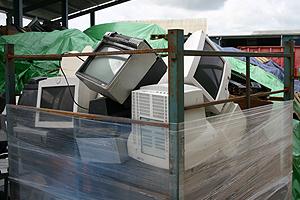
Commercial or business waste is any waste derived from a business premises that is used predominantly for trade, entertainment, recreation or any kind of commercial activity. It is different to industrial or household waste.
Commercial and trade waste also incorporates refuse created following gardening and building work on a residential property, providing the individual undertaking the work is not the homeowner.
What are metals used for?
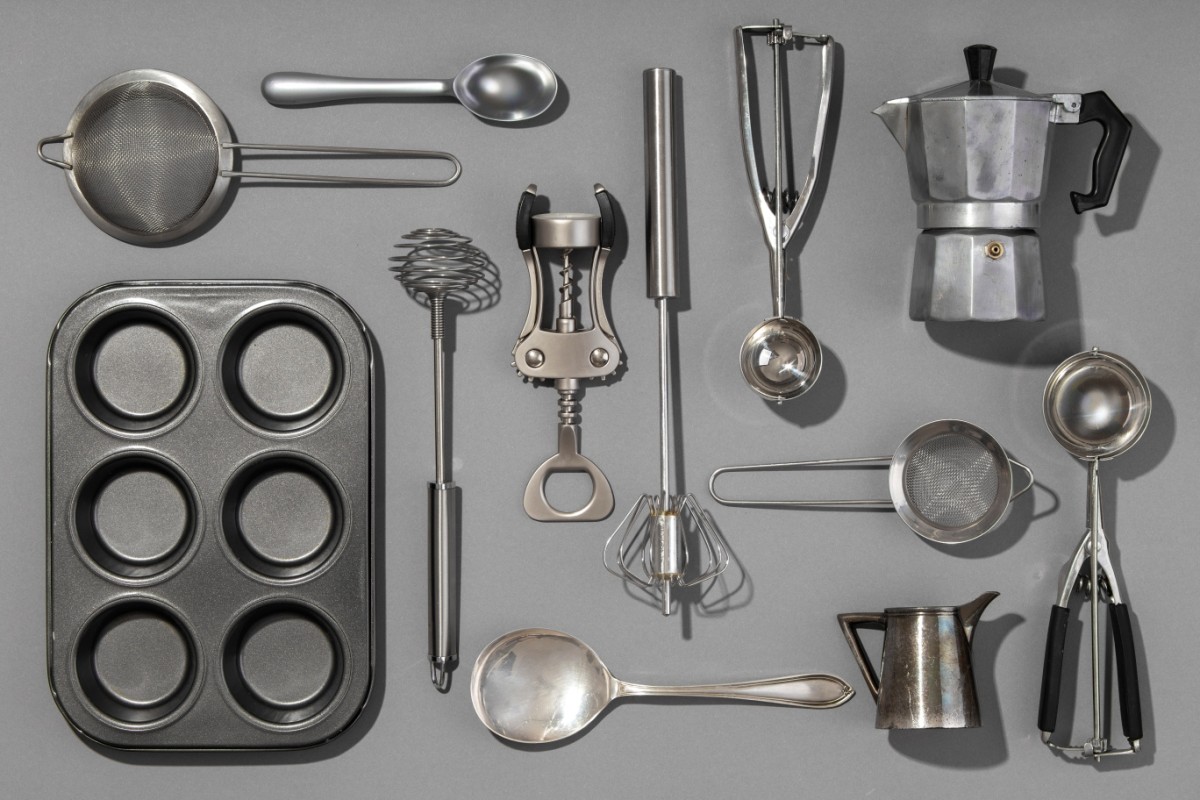
It’s very easy to forget just how much metal is used in our day-to-day lives. From food packaging to cooking utensils, metal is all around us – as is the potential to recycle that scrap metal into something else. Here’s a guide to the most used metals and their uses.
Ferrous metals are magnetic because they contain iron. The higher the iron content, the more magnetic the metal is. Examples of ferrous metals include cast iron, steel and wrought iron. The strength of ferrous metals mean they are very popular in the car industry, and tools and household appliances are generally made of ferrous metals. Non-ferrous metals are not magnetic, and include such metals as aluminium, silver, titanium, and copper. Non-ferrous metals are more malleable.
What to do with radioactive scrap metal
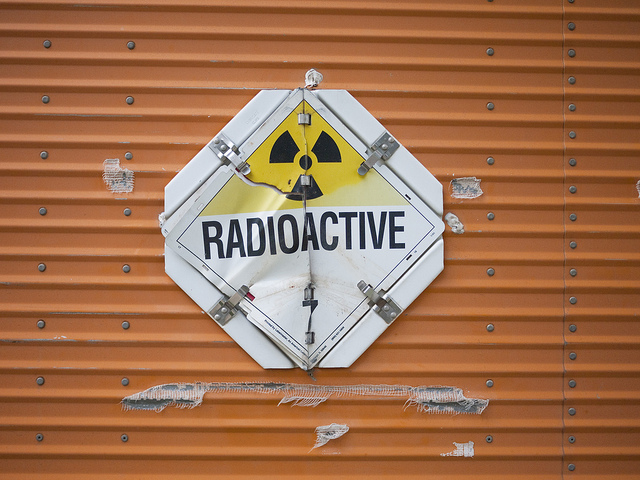
Scrap metal should always be handled with care during the recycling process, regardless of whether it appears to be dangerous or not. If you are ever unsure of what to do, call an expert.
Typically, most household scrap metal items are not hazardous, and you’ll be able to follow standard recycling processes to dispose of them. However, occasionally you may come across scrap metal which has been impacted by radioactive materials (such as microwaves).
How aluminium contributes to a circular recycling economy
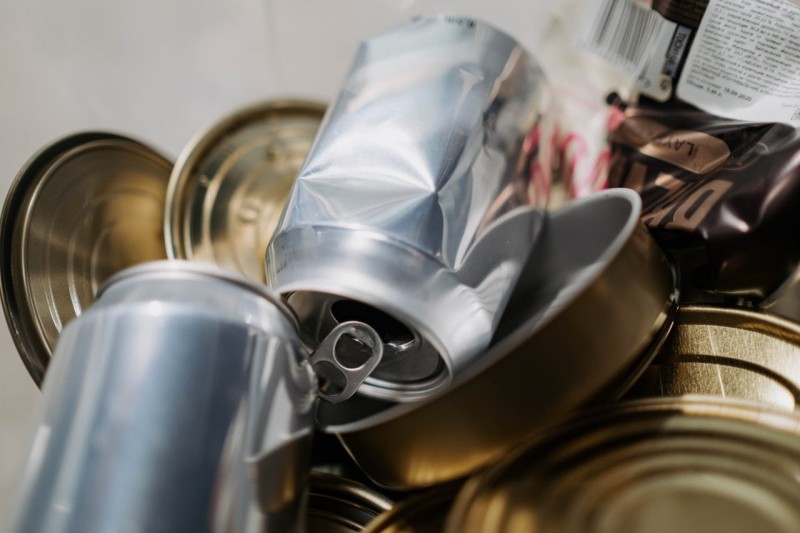
Many of the food and drink products we buy are packaged in cans made from either aluminium or steel. Both materials can be recycled after we have finished with them to make either new cans or other products.
In this article we are focusing on aluminium. This is because aluminium cans are one of the most cost-effective items to recycle, due to its value and its high volume. We also look at the economic effect of reduced use of aluminium cans, and the benefits of recycling aluminium.
Previous 5 entries | Page 1 of 9 | Next 5 entries
Recent posts
- 4 top tips for businesses undergoing a site clearance
- What is commercial waste?
- What are different metals used for?
- What to do with radioactive scrap metal
- How does metal recycling benefit the economy and the environment?
- 5 common metals that can be recycled
- How does metal recycling work?
- How to Sort Metal for Scrap
- How to classify the different types of waste your business produces
- What is WEEE waste?
- Can iron be recycled in the UK?
- What has the most copper in it to scrap?
- How to better understand scrap metal pricing
- Is there a link between copper and brass prices?
- How to make money from cable scrap